
Blog
7 Essential Coin Grading Tips Every Collector Should Know

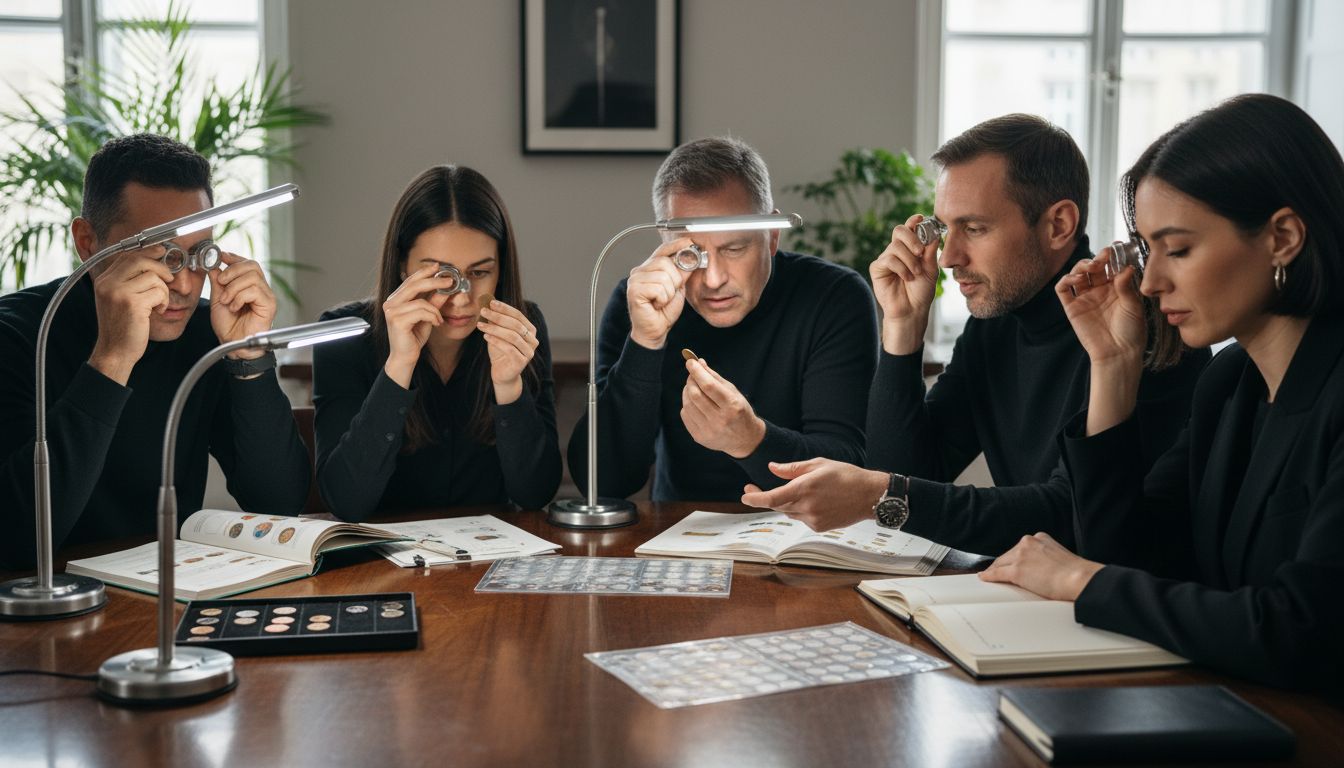
Over ninety percent of collectors say understanding coin grades directly affects their buying decisions. The world of coin collecting is filled with hidden details that can make or break a collection’s value. If you want to avoid expensive mistakes and truly appreciate your coins, learning the basics of grading is the key. This guide breaks down the language, tools, and pitfalls so you can spot quality coins and build your expertise with confidence.
Table of Contents
- Understand Basic Coin Grading Terminology
- Use the Right Tools for Close Inspection
- Assess Wear and Surface Preservation
- Evaluate Luster and Eye Appeal
- Identify Common Grading Pitfalls
- Compare Against ICCS and Other Standards
- Practice Grading with Reference Examples
Quick Summary
| Takeaway | Explanation |
|---|---|
| 1. Understand coin grading terminology. | Familiarizing yourself with terms like AU and MS is essential for accurately assessing coin values. |
| 2. Use proper tools for inspection. | Essential tools like a jeweler’s loupe and good lighting are crucial for detailed observation of coin surfaces. |
| 3. Assess wear and surface preservation carefully. | Evaluate factors like high point wear and luster to determine a coin’s condition accurately. |
| 4. Avoid common grading pitfalls. | Beware of biases, inadequate lighting, and misinterpretation of marks that can affect grading accuracy. |
| 5. Compare grading standards from different sources. | Understanding variations among grading organizations like NGC and ICCS helps validate your evaluations and enhance accuracy. |
1. Understand Basic Coin Grading Terminology
Decoding coin grading terminology is your first critical step into the fascinating world of numismatics. Think of coin grading as a universal language that helps collectors and investors understand a coin’s condition and potential value.
According to NGC, the internationally accepted Sheldon grading scale ranges from 1 to 70, providing a standardized method for evaluating coins. This numerical system works like a comprehensive report card for your coin: a grade of 1 represents a coin in poor condition, while a perfect 70 indicates an absolutely pristine mint state coin.
Key Coin Grading Categories:
- Poor (P-1 to P-3): Heavily worn, minimal details visible
- Good (G-4 to G-6): Major design elements recognizable but significantly worn
- Very Good (VG-8 to VG-10): More design details emerge
- Fine (F-12 to F-15): Most design elements clear and bold
- Very Fine (VF-20 to VF-35): Sharp details with light wear
- About Uncirculated (AU-50 to AU-58): Minimal trace of wear on high points
- Mint State (MS-60 to MS-70): Pristine condition with no wear
For collectors just starting out, mastering these basic grades will help you confidently assess coin quality and make informed purchasing decisions. Understanding specific grade descriptions like the AU-50 can significantly improve your numismatic expertise.
Remember that grading is both a science and an art. While the Sheldon scale provides a structured framework, experienced graders also consider subtle nuances like luster, strike quality, and surface preservation when determining a coin’s ultimate grade.
2. Use the Right Tools for Close Inspection
Precision is the cornerstone of accurate coin grading and every serious collector needs a reliable toolkit. Your eyes alone are not enough to capture the intricate details that determine a coin’s true value.
According to the American Numismatic Association, proper magnification tools are essential for revealing minute surface characteristics that significantly impact a coin’s grade. A high quality loupe becomes your most trusted companion in this meticulous process.
Essential Coin Inspection Tools:
- Jeweler’s loupe (10x magnification recommended)
- Strong overhead lighting
- Clean white background
- Soft cotton gloves
- Precision tweezers
Selecting the Right Loupe
When choosing a loupe, look for models with 10x magnification that provide crisp, clear images without distortion. Professional numismatists typically recommend achromatic or triplet loupes which offer superior optical quality. These specialized magnifiers help you detect subtle wear patterns, strike quality, and potential restoration work that could dramatically affect a coin’s market value.
Pro tip: Always handle your coins by their edges and never touch the surfaces directly. The oils and residues from your fingers can cause microscopic damage that impacts grading and long term preservation.
By investing in quality inspection tools, you transform from a casual collector into a discerning numismatist capable of making informed assessments about your coins’ true condition and potential value.
3. Assess Wear and Surface Preservation
Every coin tells a story through its surface details and preservation. Understanding how wear impacts a coin’s grade is crucial for collectors who want to accurately assess their numismatic treasures.
According to NGC, grading goes far beyond simple visual inspection. It involves a comprehensive evaluation of surface characteristics including luster, strike quality, and the presence of marks or abrasions that collectively determine a coin’s overall condition.
Key Areas to Examine During Surface Assessment:
- High point wear (cheek, hair details, lettering)
- Original mint luster
- Scratches and contact marks
- Color and tone consistency
- Evidence of cleaning or artificial enhancement
Understanding Surface Wear Progression
Coins experience progressive stages of wear based on circulation and handling. Early stage wear typically shows light smoothing on coin high points, while advanced wear can completely flatten design elements. Professional graders look for subtle transitions in surface texture and how original mint characteristics have been preserved.
Pro Inspection Tips:
- Use angled lighting to reveal surface irregularities
- Rotate coin slowly under consistent light
- Compare against reference coins of similar age
- Document any unique surface characteristics
By developing a keen eye for surface details, you transform from a casual collector into a discerning numismatist who can confidently assess a coin’s true condition and potential value.
4. Evaluate Luster and Eye Appeal
Luster represents the magical quality that transforms a simple metal disc into a numismatic treasure. It captures the coin’s original mint state brilliance and tells a story of how well the coin has been preserved through time.
What Makes Luster Special:
- Original mint surface reflection
- Indicates minimal handling
- Reveals coin’s initial striking quality
- Differentiates between circulated and uncirculated coins
Think of coin luster like a fingerprint. Each coin has a unique reflective quality that speaks volumes about its history and condition. Mint state coins display a vibrant cartwheel effect when rotated under light which showcases their pristine original surface.
Luster Grading Categories:
- Brilliant Uncirculated: Full original mint shine
- Choice Uncirculated: Minor reduction in surface brilliance
- About Uncirculated: Slight wear on high points
- Circulated: Minimal to no original luster remaining
Professional collectors examine luster from multiple angles using soft lighting. Look for consistent shine across the entire surface and watch how light plays across the coin when you rotate it. Natural mint luster will have a soft radiant glow different from artificial shine created by cleaning or artificial enhancement.Understanding grades like AU 58 can help you recognize subtle differences in coin luster and preservation. Mastering this skill transforms you from a casual collector into a discerning numismatist who appreciates the nuanced beauty of each coin.
5. Identify Common Grading Pitfalls
Coin grading might seem straightforward, but it is a minefield of potential mistakes that can dramatically impact your collection’s value. Understanding these pitfalls is crucial for protecting your numismatic investments.
According to the American Numismatic Association, collectors often fall into subjective traps when assessing coin conditions. Personal bias can lead to overestimating a coin’s grade and potential market value.
Major Grading Pitfalls to Avoid:
- Emotional attachment clouding objective assessment
- Inadequate lighting during inspection
- Misinterpreting surface marks
- Overlooking subtle wear patterns
- Failing to recognize restoration attempts
Understanding ‘Details’ Grading
As APMEX explains, some coins receive a ‘details’ grade instead of a numerical grade. This occurs when significant imperfections prevent a standard evaluation. These coins might look deceptively appealing but carry substantially reduced value.
Professional collectors develop an objective eye by comparing coins side by side under consistent lighting. They train themselves to recognize subtle differences in surface quality and understand that every mark tells a story about the coin’s journey.
Remember: A honest assessment protects your investment. When in doubt, seek professional grading services that can provide an unbiased expert evaluation.
6. Compare Against ICCS and Other Standards
Navigating coin grading standards can feel like deciphering a complex language. Understanding how different grading organizations evaluate coins is crucial for making informed collecting decisions.
According to Wikipedia, coin grading systems vary across different organizations, each with unique approaches to assessing a coin’s condition and value.
Key Grading Standard Comparisons:
- ICCS (Industry Canada Certification Service)
- NGC (Numismatic Guaranty Corporation)
- PCGS (Professional Coin Grading Service)
- ANA (American Numismatic Association) standards
Understanding Grading Variations
While these systems share fundamental principles, subtle differences can significantly impact a coin’s perceived value. ICCS specifically focuses on Canadian coins and provides nuanced evaluations that reflect the unique characteristics of Canadian numismatic treasures.
Professional collectors recommend cross referencing grades from multiple services. This approach helps validate your coin’s condition and ensures you are not overlooking subtle details that might affect its market value.
Pro Comparison Tips:
- Request multiple professional assessments
- Understand each organization’s specific grading criteria
- Consider regional specializations
- Track market values across different grading standards
By developing a comprehensive understanding of various grading standards, you transform from a casual collector into a sophisticated numismatist who can confidently navigate the intricate world of coin valuation.
7. Practice Grading with Reference Examples
Mastering coin grading is like learning a new language. You cannot become fluent without consistent practice and exposure to authentic examples that showcase the subtle nuances of numismatic assessment.
The American Numismatic Association recommends systematic practice through studying reference materials and comparing coins against established standards. This methodical approach transforms theoretical knowledge into practical skill.
Effective Practice Strategies:
- Collect graded coin reference images
- Attend numismatic workshops
- Join local coin collector groups
- Study professional grading guides
- Participate in online grading forums
Building Your Reference Collection
Start by acquiring high quality reference examples across different grades. Create a personal study collection that includes coins with various wear levels. Photograph these coins under consistent lighting and compare them side by side to train your eye.
Professional collectors suggest developing a systematic grading notebook where you document your observations. Track how surface details change across different numerical grades. This methodical approach helps you recognize subtle variations that distinguish one grade from another.
Remember: Expertise comes from patient observation. Your grading skills will improve incrementally as you expose yourself to diverse numismatic examples and learn to see beyond surface appearances.
Below is a comprehensive table summarizing the critical aspects of coin grading discussed throughout the article.
| Key Concept | Description | Importance in Numismatics |
|---|---|---|
| Basic Terminology | Understanding coin grading from Poor (P-1) to Mint State (MS-70). | Helps in assessing coin quality and market value. |
| Inspection Tools | Use loupes, lighting, and gloves for precise examination. | Reveals minute details affecting grading. |
| Surface Assessment | Evaluate wear, luster, and marks. | Determines the coin’s condition and historical narrative. |
| Luster and Appeal | Examine original mint reflection and shine. | Indicates circulation status and preservation. |
| Grading Pitfalls | Avoid bias, poor lighting, and overlook of restoration. | Protects investment by ensuring accurate grading. |
| Grading Standards | Compare ICCS, NGC, PCGS, and ANA standards. | Validates coin’s condition through cross-referencing. |
| Practicing Grading | Use reference examples and document observations. | Builds expertise and confidence in grading skills. |
Elevate Your Coin Grading Skills with Authentic Newfoundland and Canadian Coins
The challenge every collector faces is confidently assessing coin condition using standards like ICCS, understanding luster, wear, and subtle grading nuances described in the article. You want to avoid common grading pitfalls and discover museum-quality coins that reflect true historical value without guesswork or doubt.
At NewfoundlandCoins.ca you will find a carefully curated selection of certified Newfoundland and Canadian coins graded under ICCS standards that match your learning goals. Explore detailed listings featuring high resolution images and comprehensive grade information so you can compare and deepen your grading expertise while securing pieces that belong in your collection.
Take the next step in your numismatic journey today and shop with confidence knowing authenticity is guaranteed and every coin meets rigorous standards.

Start mastering coin grading by visiting NewfoundlandCoins.ca now and browse our collection. Discover how true collectors enhance their knowledge and portfolio with coins you can trust. Learning and investing begin here.
Frequently Asked Questions
What are the key coin grading categories I should know?
Understanding the key coin grading categories is essential for any collector. Familiarize yourself with grades ranging from Poor (P-1) to Mint State (MS-70), which will help you assess coins accurately and make informed purchasing decisions.
How can I improve my coin inspection skills for grading?
You can improve your coin inspection skills by investing in a jeweler’s loupe and practicing under proper lighting. Take time to examine coins from different angles, focusing on surface details and wear patterns to enhance your grading accuracy.
What common mistakes should I avoid when grading coins?
Avoid letting emotional attachment influence your grading assessments, as it can lead to overestimating a coin’s value. Also, ensure you are using adequate lighting when inspecting coins to better recognize surface characteristics and wear.
How do I assess the luster of a coin effectively?
Examine the coin’s luster by viewing it under soft lighting and rotating it slowly to observe the shine. Look for a unique reflective quality, and note if the coin shows signs of wear; this will help categorize it as Brilliant Uncirculated or Circulated.
What is the importance of comparing grading standards?
Comparing grading standards from various organizations helps you understand potential variations in coin valuation. Cross-reference grades for your coins to ensure a comprehensive evaluation and to avoid overlooking subtle details affecting market value.
How can I practice grading coins using reference examples?
Collect high-quality reference images of graded coins to train your eye, and create a personal study collection with examples across different grades. Regularly compare your observations with these references to refine your grading skills and recognize nuances in coin condition.
Great page for anybody wondering how to value their coins. The information you provide is easy to follow and helpful. This guide is a great tool to understand and simplify coin grading for those looking to pick up the hobby.. I like how you explained it in a way that doesn’t make the reader feel overwhelmed by the complicated process. Some other sites can be almost rude or snobby with this topic where they presume these basic points to be common knowledge. they don’t go into details like this making it difficult to get started in numismatics. This is a huge downside for anybody that collects.. it also means that people get ripped off regularly not knowing what they actually have. It feels like you have to do a ton of work to really learn coins before you can become a collector therefore ruining the fun for most people. It’s like a well kept secret only serious collectors get to know and the amount of information on the internet is misleading on purpose just enough so that the average person can’t properly figure out if they have found something valuable or not. The average person also doesn’t feel like it’s worth paying for a coin to be graded unless it’s got a significant noticeable error variety. Those are very rare to find anymore so many people are basically just hoarding a bunch of coins thinking one day they will be worth something when really they have no more value than any other coin. So thank you for posting this blog entry. I have shown it to others who also found it helpful.